
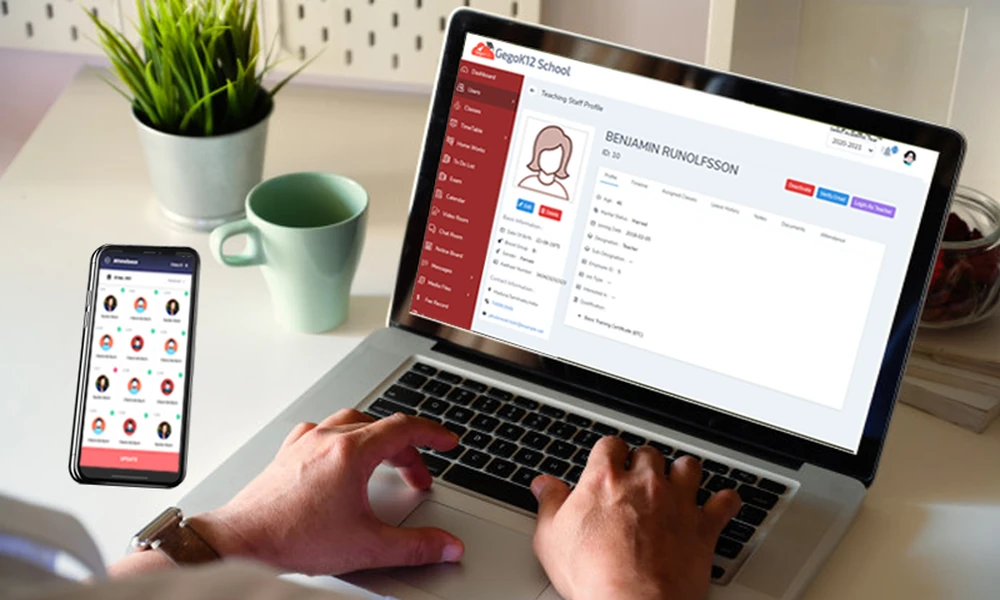
Workplace records reveal patterns beyond daily presence. A missed shift affects coordination across teams. Repeated delays influence schedules and resource planning. Leaders need reliable information before making staffing choices. Accurate tracking creates that visibility and strengthens decision-making. For firms exploring a time attendance system singapore option, attendance data often becomes a valuable operational asset rather than a basic record.
What Makes Attendance Management Systems Essential?
Every organization relies on workforce visibility. Without clear records, staffing decisions become difficult. Small discrepancies often create larger administrative concerns later. Attendance platforms capture working hours with greater accuracy.
As records accumulate, managers gain useful insights. They can review trends without searching through paperwork. HR personnel spend less time verifying entries. Those saved hours create room for broader workforce priorities.
Why Does Accurate Tracking Matter So Much?
Reliable attendance information affects multiple business areas. Payroll teams depend on correct working-hour records. Department heads require clear shift information. Employees expect fair calculations across schedules.
Consider a service center handling rotating rosters. One incorrect entry may affect several calculations. Accurate records reduce confusion and improve trust.
Benefits often include:
- Faster payroll preparation
- Better leave monitoring
- Clear shift visibility
- Reduced record disputes
- Improved workforce accountability
Each outcome contributes to smoother daily operations.
How Do Modern Features Improve Daily Management?
Attendance software offers more than clock-in records. Practical tools simplify oversight throughout the workweek. Real-time information helps supervisors respond faster.
Common capabilities include:
- Biometric verification
- Mobile attendance access
- Live reporting dashboards
Additional functions provide broader visibility:
- Overtime tracking controls
- Leave balance displays
- Shift assignment tools
- Payroll connection features
Together, these features create stronger operational awareness.
Can Attendance Data Improve Workforce Planning?
Planning becomes easier when information remains accessible. Attendance reports reveal patterns hidden within daily activity. Recurring absences may signal scheduling concerns. Frequent overtime may indicate staffing shortages.
A manager reviewing monthly records can identify pressure points. Those findings guide future staffing adjustments. In a time attendance system singapore platform, attendance information remains centralized, helping supervisors evaluate workforce requirements using dependable records rather than assumptions.
Ongoing Changes in Workplace Expectations
Business environments continue evolving across industries. Remote arrangements introduced new tracking requirements. Flexible schedules created additional coordination challenges. Traditional methods struggle under those conditions.
Digital attendance platforms adapt more effectively. Employees record hours from approved locations. Supervisors review information without requesting physical documents. Faster access supports quicker responses when workforce issues emerge.
FAQs
Can attendance systems help smaller organizations?
Yes. Smaller firms gain better visibility into staffing activity. Accurate records reduce administrative effort and simplify daily oversight.
Do attendance systems assist payroll accuracy?
They do. Working hours transfer directly into calculations. Fewer manual entries often reduce payroll discrepancies.
Are attendance reports useful for managers?
Absolutely. Reports highlight attendance patterns across departments. Those insights guide scheduling and resource allocation decisions.
Broader Impact on Daily Operations
Attendance tracking influences more than record keeping. A recurring overtime report may reveal hiring needs. Repeated absence patterns may highlight scheduling weaknesses. Those details rarely appear through manual observation alone. When leaders act on reliable attendance information, workforce planning becomes more precise, resources align better, and operational decisions rest on evidence rather than guesswork.